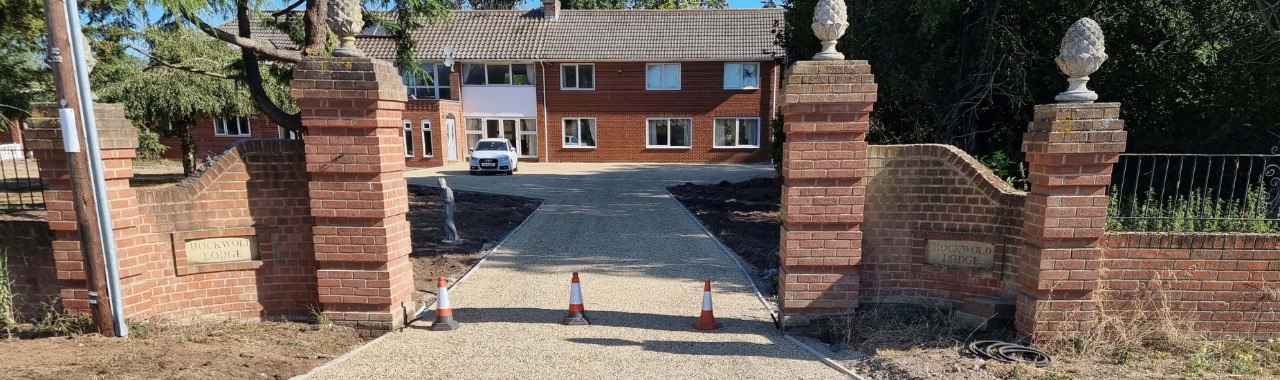
Tarmac Car Parks: How Professional Surfacing Improves Safety and Durability
A well-designed car park needs a durable surface that can withstand regular vehicle movements, changing weather conditions and everyday wear. Tarmac is a popular choice for car parks because it provides a smooth, practical finish that supports vehicle access and helps create an organised parking area. However, the long-term performance of the surface depends on more than the material itself. Proper ground preparation, effective drainage and professional installation all play an important role.
For businesses and property owners in Rushden, Northamptonshire, investing in professionally installed tarmac car park surfacing can help create a safer, more reliable and easier-to-maintain outdoor space. Understanding the benefits of quality surfacing can help you make informed decisions when planning a new car park or improving an existing one.
Why Choose Tarmac for Car Park Surfacing?
Tarmac offers several practical advantages for car parks that experience regular use. Its suitability depends on the expected traffic, condition of the ground and the way the area will be used.
A Durable Surface for Regular Traffic
Car parks must cope with repeated vehicle movements, turning wheels and the pressure created by stationary vehicles. A properly constructed tarmac surface provides a firm, continuous finish that can accommodate these demands when the supporting layers are designed appropriately.
Professional installation is particularly important where vehicles frequently turn, brake or manoeuvre, as these areas may experience greater stress. Correct preparation and suitable surfacing methods help reduce the risk of premature deterioration.
A Smooth and Consistent Finish
Uneven surfaces, loose materials and potholes can make parking areas difficult to navigate. Tarmac creates a relatively smooth surface that supports comfortable vehicle movement and helps reduce the likelihood of trips caused by loose or broken surfacing.
A consistent finish also makes it easier to establish clear parking bays, access routes and pedestrian areas. This is valuable for commercial premises and shared parking facilities where organised traffic movement matters.
Practical Maintenance
Like any outdoor surface, tarmac requires maintenance to remain in good condition. However, localised cracks and minor defects can often be addressed before they develop into larger areas of damage.
Routine inspections help identify early signs of wear, allowing property owners to arrange suitable repairs and maintain the usability of the car park.
How Professional Tarmac Surfacing Improves Safety
A car park should provide a predictable surface for drivers, pedestrians and visitors. Good surfacing helps reduce avoidable hazards and supports the safe movement of vehicles around the site.
Reducing Potholes and Uneven Areas
Potholes and surface depressions can affect vehicle handling and create hazards for pedestrians. They may develop when water enters cracks, weakens the underlying layers and combines with repeated traffic loading.
Professional surfacing begins with assessing the existing ground and identifying areas that need excavation, repair or additional preparation. Building a stable foundation helps reduce the likelihood of uneven settlement and premature surface failure.
Improving Water Drainage
Standing water can make a car park slippery and obscure potholes or other defects. Poor drainage may also allow water to penetrate the surface, weakening the layers beneath it.
A properly planned tarmac car park should include suitable gradients and drainage arrangements so that rainwater can flow towards appropriate drainage points. This is especially important during periods of persistent rainfall, when poorly drained areas can remain wet for extended periods.
Supporting Clear Parking Layouts
A well-surfaced car park provides a suitable base for clearly defined parking bays, directional markings and pedestrian routes. These features help users understand where to park and how to move safely through the area.
The layout should reflect the way the car park operates, with consideration given to vehicle access, turning space and pedestrian movement.
The Importance of Proper Ground Preparation
The durability of a tarmac car park depends heavily on what lies beneath the finished surface. Applying new tarmac over a weak or unsuitable base can lead to cracking, depressions and recurring potholes.
Professional preparation may involve removing failed materials, addressing soft ground, installing or repairing the sub-base and ensuring that the formation is properly compacted. The appropriate construction depends on the existing ground conditions and the type and frequency of traffic the car park must accommodate.
The tarmac must then be laid and compacted correctly to create a consistent, stable finish. Attention to edges, joints and drainage details is also important, as poorly finished areas can become vulnerable to water penetration and deterioration.
For car parks in Rushden, Northamptonshire, considering these details from the outset helps create a surface suited to the site’s intended use.
When Should an Existing Tarmac Car Park Be Repaired or Resurfaced?
An ageing car park may show several signs that attention is needed. These include recurring potholes, widespread cracking, standing water, loose surface material and depressions where vehicles regularly park.
Isolated defects may be suitable for localised repairs, provided the surrounding surface and underlying structure remain sound. Where deterioration is widespread or the foundation has failed, more extensive remedial work or resurfacing may be necessary.
A professional assessment helps determine the extent of the damage and whether repairs will provide a suitable long-term result. Addressing the cause of the deterioration is essential; simply covering damaged areas without correcting underlying problems may lead to the same defects returning.
Professional Tarmac Car Parks in Rushden, Northamptonshire
Creating a durable car park requires careful planning, appropriate materials and skilled installation. From assessing ground conditions to establishing effective drainage and achieving a consistent finish, each stage contributes to the performance of the completed surface.
Rushden Driveways & Patios can help property owners plan tarmac surfacing that suits the intended use of their outdoor space. Whether you are considering a new car park or improvements to an existing surface, professional guidance can help identify the work needed to achieve a practical and durable result.
If your car park has developed potholes, uneven areas or drainage problems, contact Rushden Driveways & Patios to discuss your requirements and arrange an assessment.
Conclusion
Tarmac car parks provide a practical surfacing solution when they are designed and installed correctly. A stable foundation, effective drainage, proper compaction and a suitable layout all contribute to improved safety, durability and everyday usability.
For property owners in Rushden, Northamptonshire, professional surfacing can help reduce common problems such as potholes, standing water and uneven areas. If you are planning a new car park or need to improve an existing one, Rushden Driveways & Patios can help you identify a suitable approach for a reliable, well-finished surface.
Call us on: 01933 823 204
Click here to find out more about Rushden Driveways & Patios
Click here to complete our contact form and see how we can help with your driveways.